Empowering Communities through Village Savings and Loan Associations (VSLA): Building Livelihoods, Peace, and Resilience in South Sudan
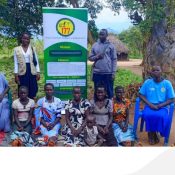
War Against Poverty, Ignorance and Diseases (WAPID South Sudan) continues to transform lives in rural communities through its Village Savings and Loan Association (VSLA) training initiatives. Recently, women and adolescents from Chukudum gathered to complete a training designed to strengthen their economic independence, social cohesion, and overall wellbeing.
Economic Empowerment through VSLA
The training provided participants with practical knowledge and tools to start and manage Village Savings and Loan Associations. With these skills, community members can now:
- Mobilize and save resources collectively, enabling households to access affordable loans for small businesses, education, and healthcare.
- Reduce dependency on external financial support by creating a community-driven financial safety net.
- Build sustainable livelihoods by reinvesting savings into income-generating activities.
Early testimonies show participants are already forming saving groups, opening up opportunities for economic growth and resilience at the household level.
Peace building and Social Cohesion
Beyond economic empowerment, the VSLA training played a crucial role in fostering peace and unity within the community. Through joint savings groups, women and youth from diverse backgrounds came together, building trust and mutual accountability. Such collaboration strengthens the social fabric, reduces conflict over limited resources, and promotes collective problem-solving—a vital step toward lasting peace in South Sudan.
Psychosocial Support and Community Healing
The training also served as a safe space for participants to share personal experiences and receive emotional support. Many women highlighted that belonging to a group where voices are heard and respected has reduced feelings of isolation and trauma. These psychosocial benefits are crucial in post-conflict communities, where emotional healing is as important as economic recovery.
Voices from the Community
“Before this training, I had no idea how to save even a small amount of money. Now I know I can plan for the future of my children.” – Participant
“We came here as strangers, but now we leave as a family, supporting one another not just with money but also with hope.” – Participant
Conclusion
WAPID South Sudan’s VSLA program is more than just financial training—it is a holistic approach to community transformation. By equipping women and adolescents with tools for financial management, fostering peace, and providing psychosocial support, the initiative paves the way for resilient, self-reliant, and peaceful communities in South Sudan.
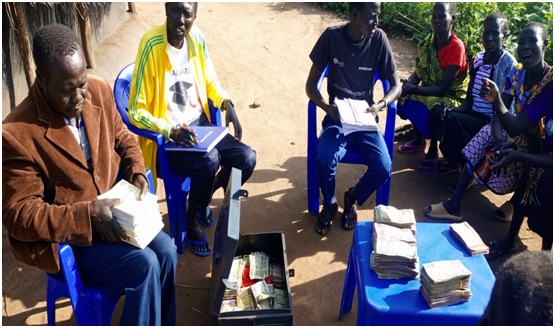
Today, Bolobolo Ngerenita stands as a living testament to what grassroots action, unity, and resilience can achieve. Their journey is not just about savings it’s about rewriting the story of Chukudum economic survival, one empowered member at a time.

Empowering Girls through Menstrual Health Education and Awareness programme
Before WAPID South Sudan’s Menstrual Hygiene Management (MHM) education reached Life Matters Adventists’ Academy in Chukudum, many adolescent girls struggled silently with stigma, shame, and absenteeism during their menstrual cycles. Among them was 14-year-old Naboi (not her real name), a bright student whose academic performance began to decline as she missed school during her periods. Lacking access to sanitary products and knowledge about menstruation, she felt isolated and embarrassed.
In the Didinga culture, menstruation is often shrouded in secrecy and misunderstanding, leading to feelings of shame for young girls. This cultural backdrop made it challenging for Naboi and her peers to discuss their experiences openly or seek support.
However, everything changed when WAPID introduced its integrated MHM awareness program at the Academy. Through culturally sensitive workshops and peer-led discussions, Naboi and her classmates learned to embrace their bodies with confidence and self-efficacy. The program included traditional teachings that honored the Didinga customs surrounding menstruation, reframing it as a natural and sacred part of womanhood.
Teachers were trained to support girls with empathy, incorporating local customs to foster understanding. Boys were also engaged in these discussions, promoting a culture of respect and collaboration, which is vital in Didinga society.
Within months, Naboi’s attendance improved significantly. She began to participate actively in class, her grades soared, and she even took on a leadership role in school. The ripple effect was evident – dropout rates among girls declined and the school recorded a 30% improvement in academic performance among female students.
Today, Life Matters Adventists’ Academy stands as a beacon of transformation. Here, menstruation is no longer a barrier to education but a shared journey of empowerment, deeply rooted in the values and traditions of the Didinga community. The stigma surrounding menstruation has begun to dissolve, paving the way for a new generation of confident young women.
“Before this training, I felt embarrassed and alone. Now I understand my body and feel proud to be a girl.”
— Student, MHM Workshop